Automatic gates provide convenience and security at residential, commercial and industrial sites. Different gate types use distinct automation systems. Sliding gates run along a track on wheels, swing gates pivot on hinges, cantilever sliding gates float above ground on rollers, and boom barriers use a pivoting arm. Each type requires an appropriate motor and control system. Leading manufacturers like Centurion (Centsys) Systems, DEA and FAAC design gate operators suited to these styles. Below we explain how each gate type works, what motors they use, and common issues to watch for.
Sliding Gates
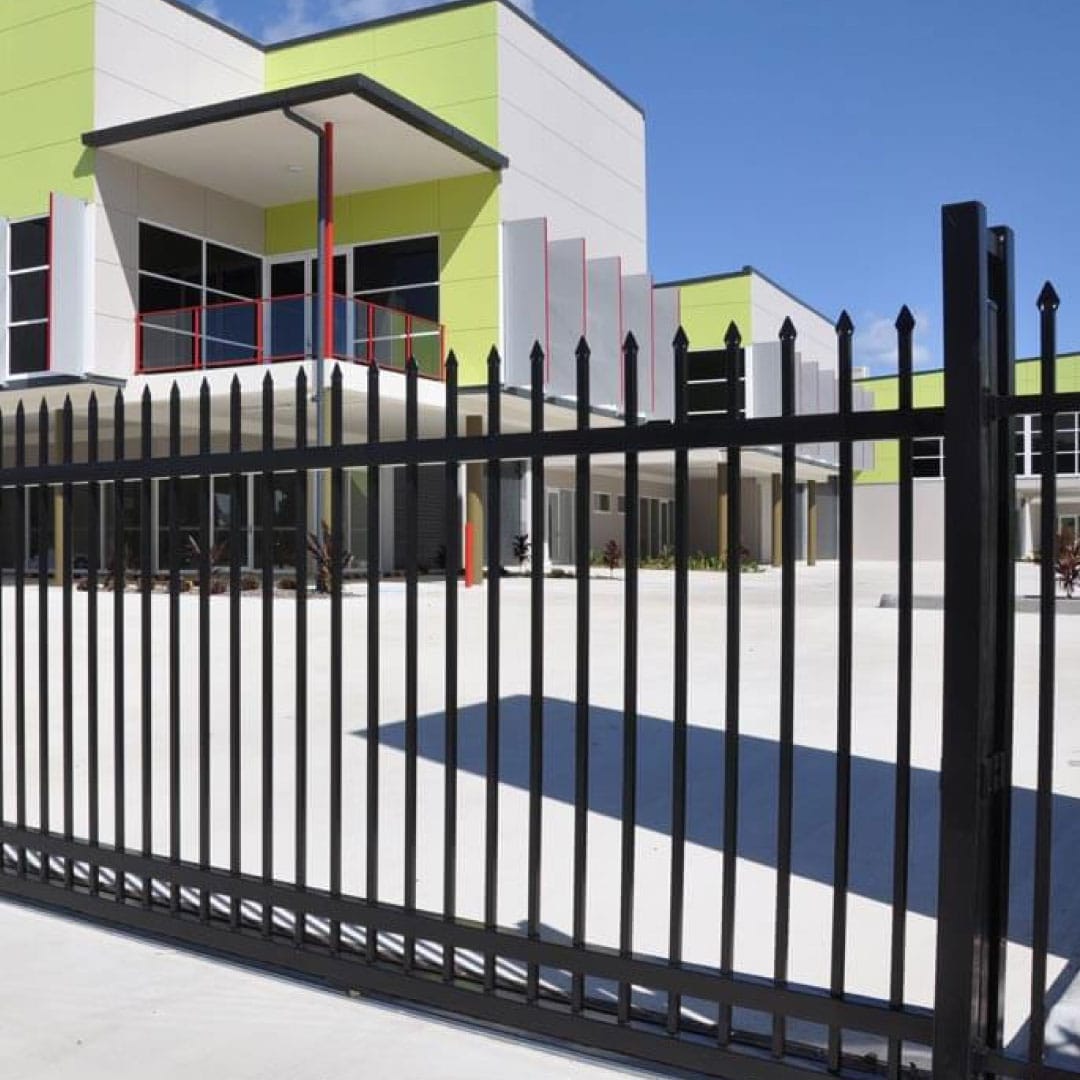
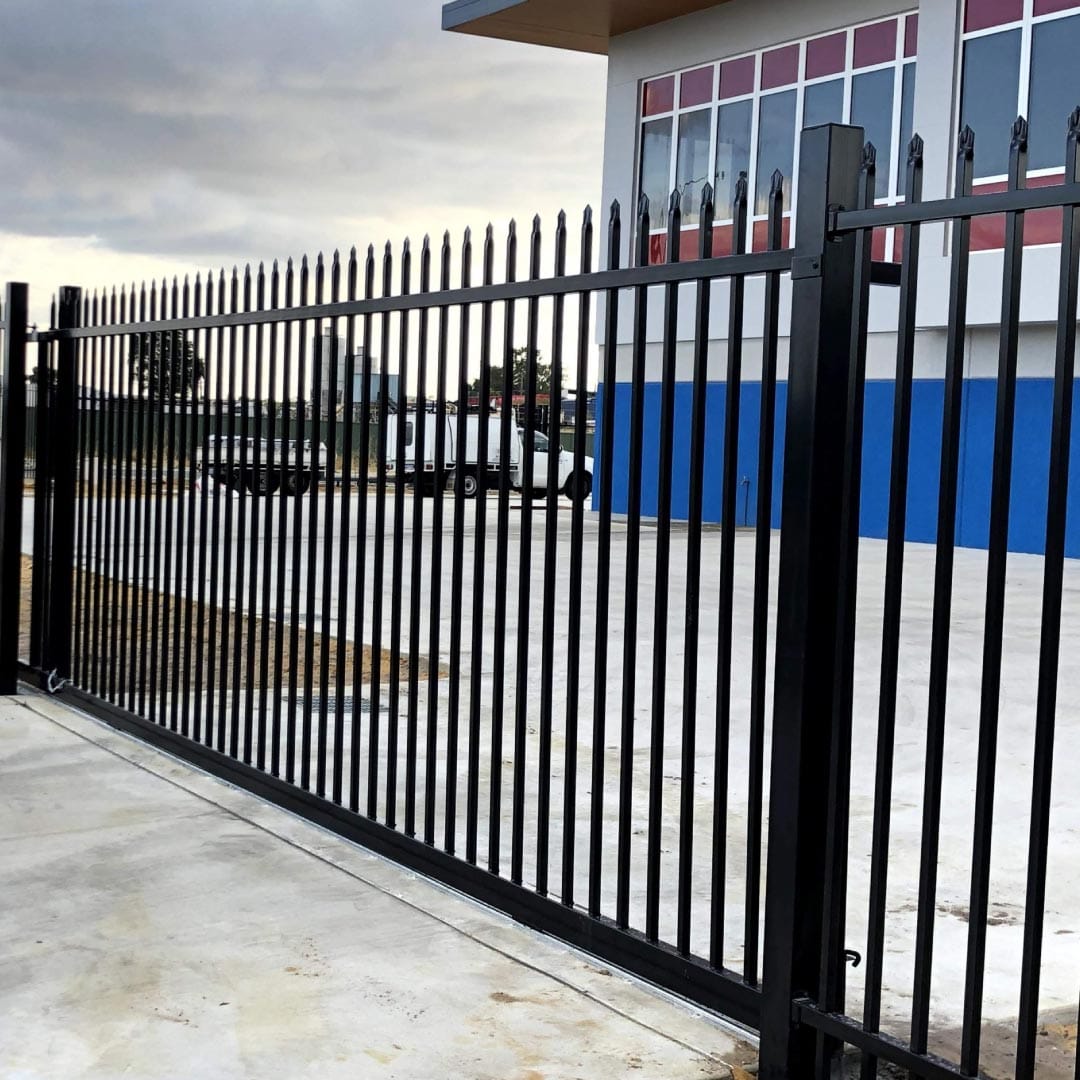
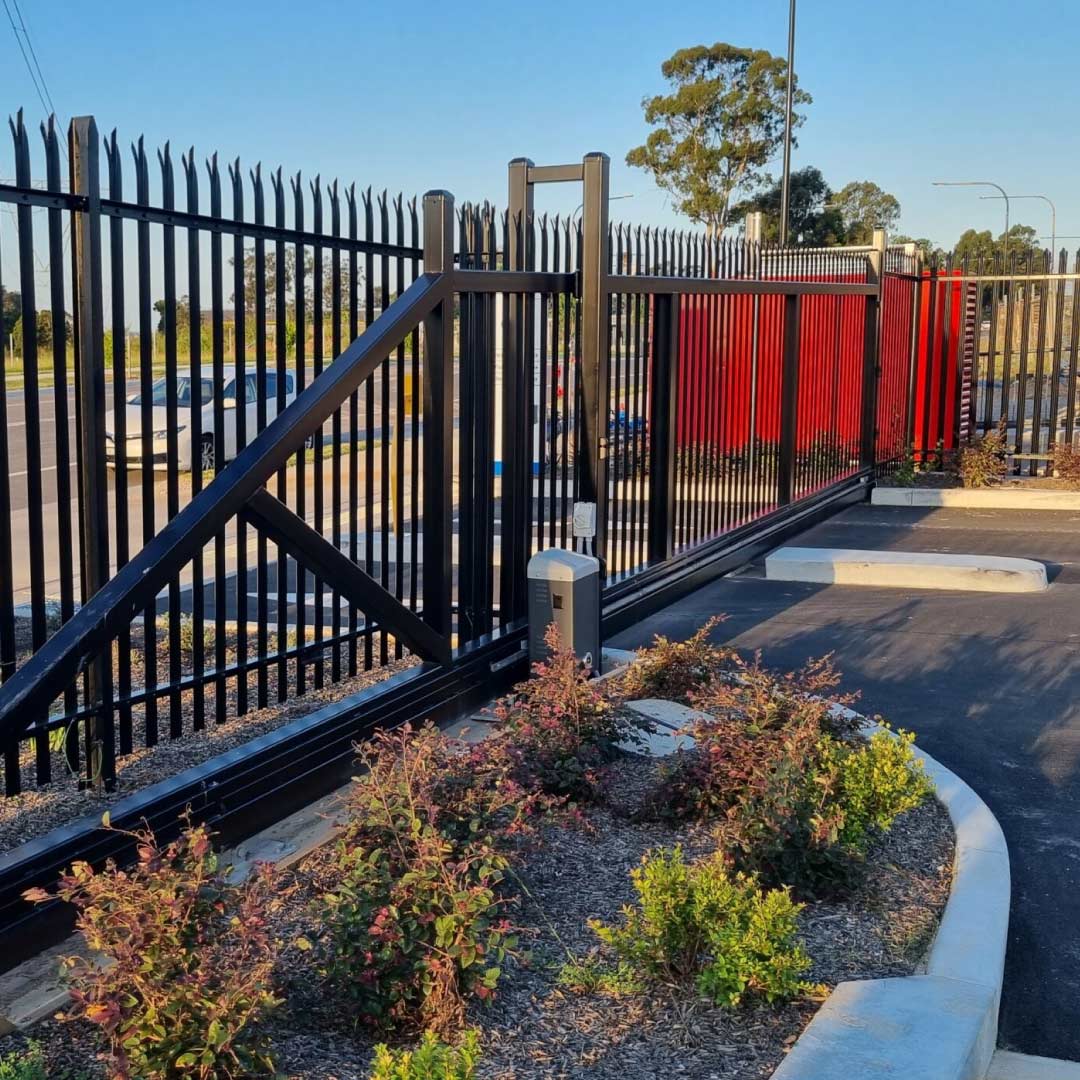
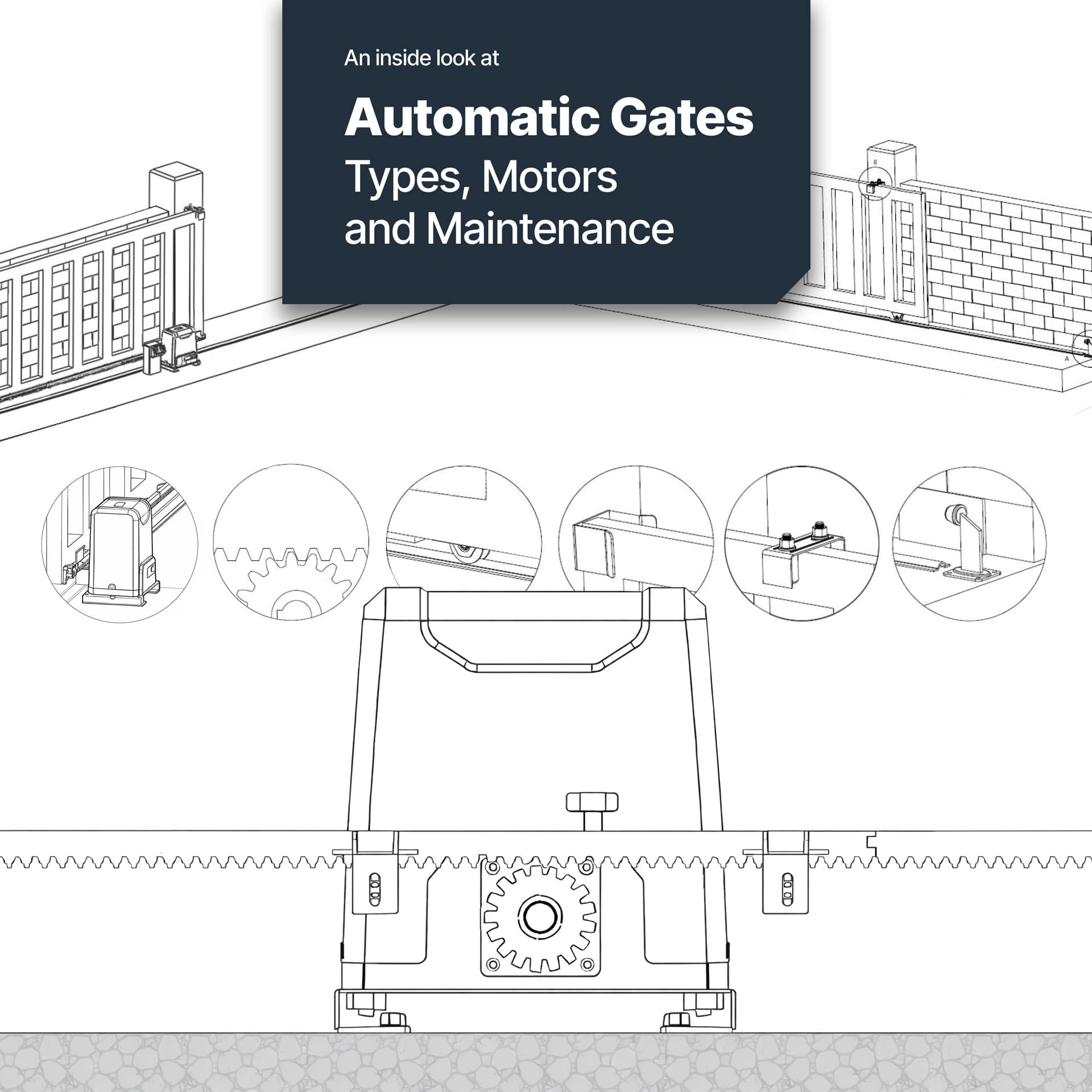
Sliding gates are single-panel gates that slide sideways along a track wider than the driveway. An electric motor drives a cog which engages a toothed rack on the gate’s rear edge. As the motor turns, it pulls the gate open or closed via this rack-and-pinion system. The track may be ground-embedded or surface-mounted (bolted) along the entry. Sliding gates are space-efficient and secure – they don’t swing outwards, and many motors are self-locking when shut. These motors are typically gear-reduced electromechanical units (24 V DC or 230 VAC) sized for the gate weight. Light residential slides use smaller 24 V motors, while heavy-duty or industrial slides use larger motors (for example, Centurion’s D10/D20 series can move gates up to 2,000 kg). Advantages of sliding gates include space-saving operation, strong security, and lower cost than cantilever systems.
Advantages of sliding gates include:
- Space-saving (no swing clearance needed).
- Secure and often self-locking.
- Cost-effective relative to more complex designs.
Swing Gates
Swing gates pivot open like doors. Operators for these type of automatic gates attach at the hinges or posts and swing the gate panel open. Common types include articulated arm operators (a two-part “elbow” arm) and linear ram actuators. Articulated arms are easy to install and mount on the gate column; linear rams bolt straight on the gate and post. There are also underground motors concealed at the hinge. Swing gate motors are usually electromechanical (24 V DC or 240 VAC) and most modern units include obstacle detection so the gate stops or reverses on contact. Swing gates are popular for homes and small businesses.
For heavier-duty use or large gates, hydraulic swing motors are often used. For example, the FAAC 750 hydraulic swing operator can move each leaf up to 800 kg quietly with low power consumption. Similarly, DEA’s OLI/N hydraulic operator handles swing leaves up to 4.5 m long and 500 kg, for high-intensity use. Hydraulic systems provide smooth, powerful motion under heavy loads. However, swing gates require side clearance to open and may not suit driveways with tight side space.
Cantilever Gates
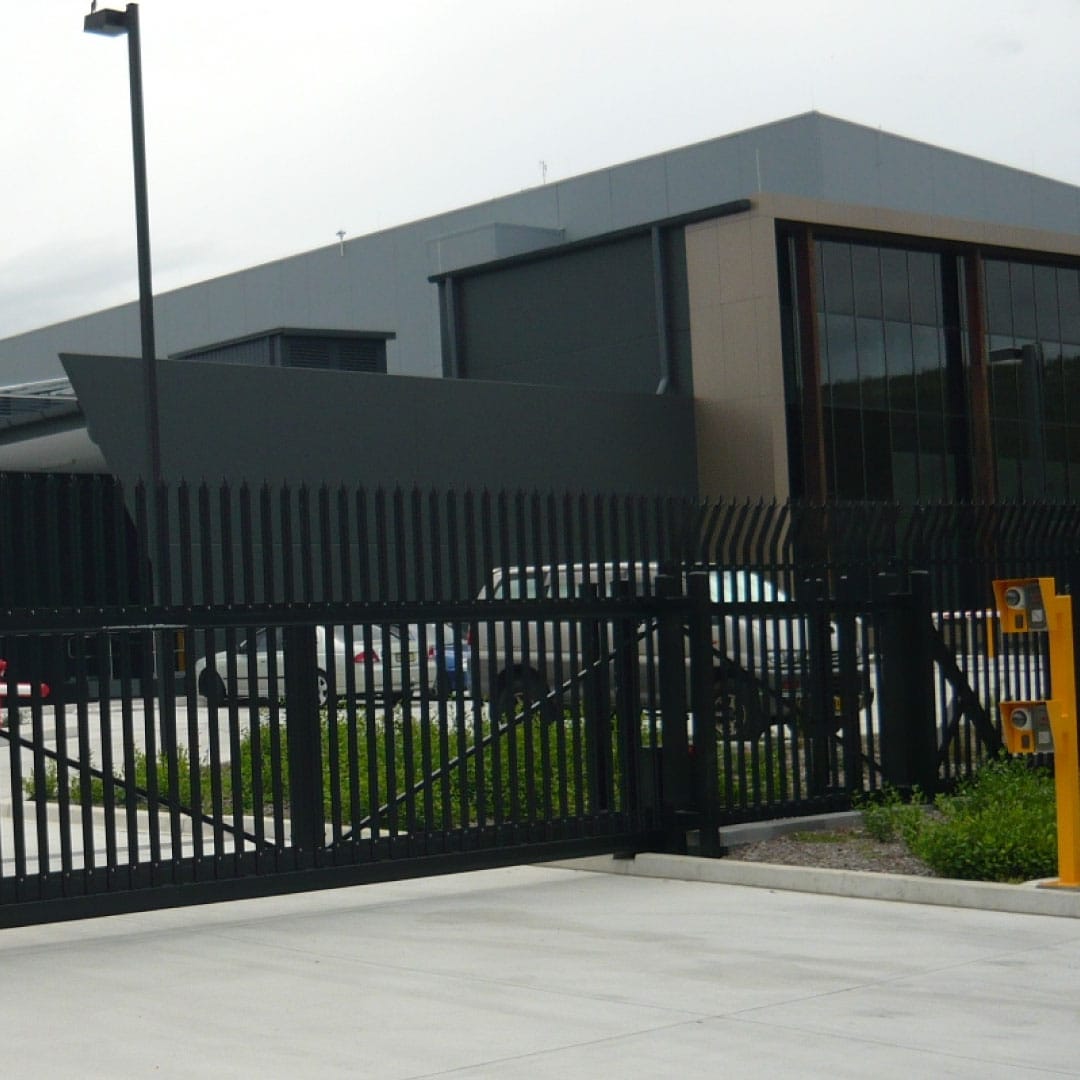
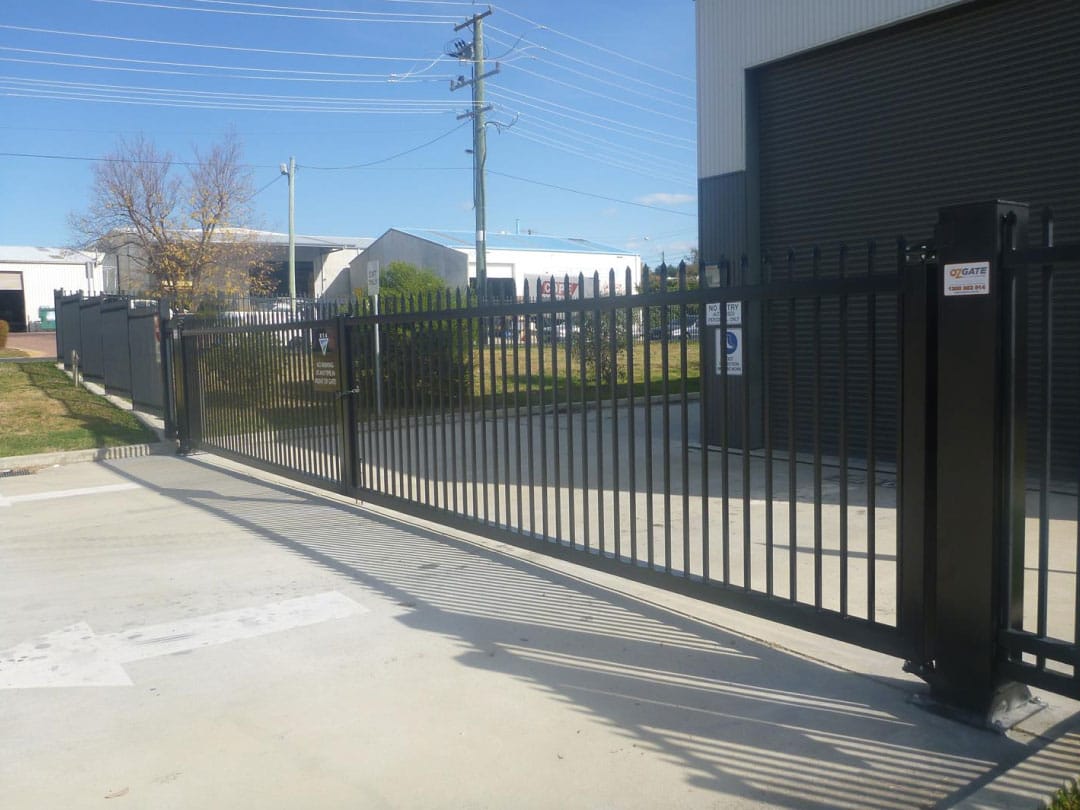
Cantilever gates are a form of sliding gate without ground tracks. The gate floats above the ground, supported by rollers on a support frame. A counterbalanced weight (extending beyond the gate opening) balances the gate as it slides. In practice, a cantilever gate slides on rollers attached to sturdy posts, and the extra “floating” portion keeps the gate suspended. This design excels on uneven terrain or where snow/debris accumulate, since there’s no ground track to clog. Cantilever gates are common at commercial, industrial and high-security sites.
Cantilever gates require very strong motors and support structures. Typically they use a rack-and-pinion or chain drive similar to sliding gates, but sized for the heavier, counterbalanced load. The gate itself often must be about 50% longer than the driveway width to provide the counter-weight, so very long motors (or multiple motors) may be needed. The payoff is high durability and low maintenance of the track.
Boom Barrier Gates
Boom barriers (also called boom gates) use a pivoted horizontal arm to block vehicles. Automatic boom gates use an electromechanical operator: when activated (by remote, RFID, keypad, etc.), a motor lifts the arm and then lowers it back down after passage. The arm is balanced by springs or counterweights, and safety sensors prevent it from closing on obstacles. Boom barriers are ubiquitous in parking lots, toll booths and gated communities. They excel in high-traffic sites for controlled entry. Maintenance involves checking the motor drive, lubricating the pivot, and testing sensors.
Boom gate components: a robust motor box, the boom arm, access-control input (card reader, remote), and vehicle sensors. Boom systems integrate with security systems (e.g. cameras, fire alarms) for added control. On power failure, many models allow manual release.
Selecting Motors and Automation Systems
The right motor depends on gate size, weight and usage. Light residential swing gates often use compact 24 V arms or linear rams. Large or dual swing leaves (especially >500 kg) should use heavy-duty motors – electric or hydraulic. For example, FAAC’s 750 series (hydraulic) handles heavy swing gates quietly. Sliding gates use DC or AC gearmotors; very long/heavy slides may use chain-driven units or even hydraulic drives. Cantilever gates, due to their weight, need industrial-grade motors or dual drives. Boom gates use purpose-designed barrier operators (often DC motors with gear reduction).
In general, electromechanical DC motors are common for residential gates (quiet, energy-efficient), while hydraulic drives are chosen for high-duty or large commercial gates (durable, constant force). Reputable brands cover the spectrum: for instance, Centurion Systems (Centsys) offers sliding and swing operators praised for reliability; DEA provides specialized swing and slide operators (e.g. the OLI/N hydraulic swing); and FAAC is known for heavy-duty hydraulic openers. Match the motor spec (voltage, torque, duty cycle) to the gate application and environment.
Maintenance & Common Issues
Automatic gates need regular servicing to stay reliable.
Manual release: Always test the emergency/manual-release mechanism (sometimes called “quick-release”) so you can open the gate if power fails. This is crucial before storms or outages.
Remotes and controls: Replace remote-control batteries as needed when the transmitter’s LED starts to fade.
General schedule: Home gates typically need annual service; commercial/industrial gates should be checked every 3–6 months.
Tracks and rollers: Keep sliding gate tracks and cantilever rollers clean. Debris (stones, leaves, ice) can jam sliding gates. Sweep or vacuum tracks and check chain tension if applicable.
Hinges and pivots: Inspect swing gate hinges or ram pivot points; lubricate moving parts like hinges and rollers with silicone or light oil to prevent wear.
Electronics and sensors: Ensure photocells, safety edges and relays are free of obstructions and corrosion. Insects (e.g. ants) sometimes nest in control boxes or photocells, so check and clean these.

Common faults in automatic gates include worn motor gears, misaligned photo-eyes, false sensor trips, or electrical issues (loose wiring, blown fuses). Prompt attention prevents more serious breakdowns. A proactive maintenance routine keeps your gate safe and functional.
National Entrance Systems: Experts in Automatic Gates Services
National Entrance Systems is an Australian provider of professional gate solutions. We install, repair and maintain all types of automatic gates: sliding, swing, cantilever and boom barriers, and work with leading motor brands (Centurion/Centsys, DEA, FAAC, etc.). Our experienced technicians can recommend the right automation for your site, and ensure it operates smoothly and safely. Whether you need a new gate opener or routine servicing, National Entrance Systems delivers expert gate automation service, backed by industry knowledge and prompt support.